Change or rekey · Toronto
Gate & Building Entry Locks
Between the front gate, the side gate and the one behind the shed, there are three different padlocks, three different keys, and a growing pile of duplicates in a kitchen drawer that nobody can match to the right lock anymore.
Gate & Building Entry Locks
In plain words
A gate or door that will not latch is rarely just a lock problem; more often the hardware is being asked to catch a moving target. This visit reads the gate or door's actual swing, sag and alignment first, then brings the closer, hinges, strike and cylinder into agreement with each other rather than replacing parts one at a time. Once the physical fit is right, the same lock that seemed unreliable for months often turns out to have been sound all along.
How the visit goesThe driveway gate drags a groove into the gravel every time it swings, and the latch stopped catching weeks ago. Now it sits propped shut with a brick, waiting for anyone to walk through and forget to prop it back.
Toronto
How the visit goes
Testing the electronic side of the entry
Where a buzzer, keypad or electric strike is part of the entry, the check runs through each piece in turn: whether the intercom sends a signal at all, whether the strike receives power when it should, and, where the installed lock actually includes a keyed mechanical override, whether that key still turns smoothly on its own. Treating the electronic and mechanical sides as one system, rather than assuming the fault is wherever it was last blamed, is what keeps a working lock from being replaced when the actual issue was a loose wire or a dead transformer.
Resetting the strike and keeper
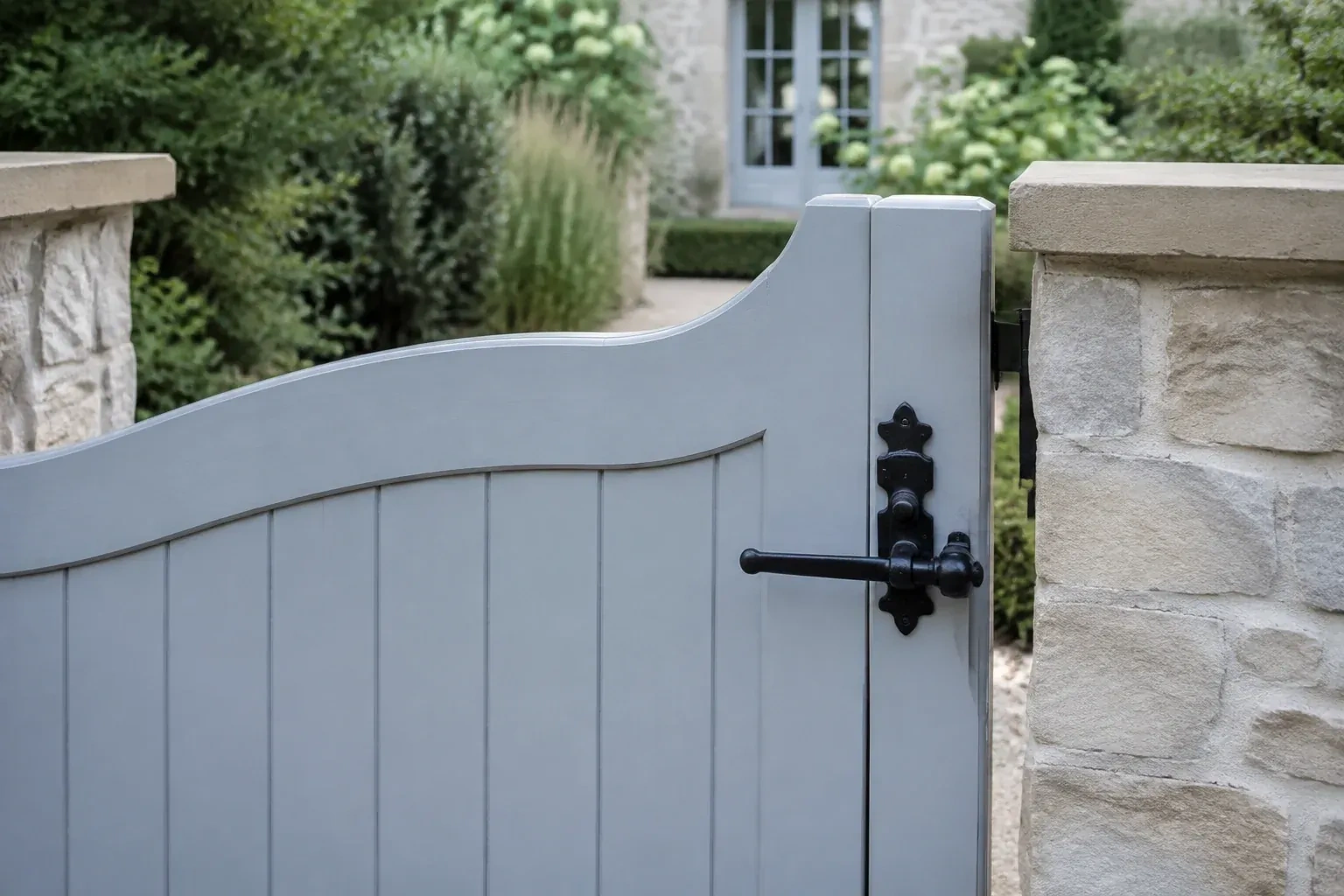
With the gate or door's adjusted position confirmed, the strike or keeper is repositioned, shimmed or deepened so the latch or bolt has a clean, full throw into it. On a wooden gate post this can mean moving the keeper's screws to fresh wood; on a metal frame it can mean elongating or relocating the mounting holes. The goal is a strike that lines up with the latch across the gate's whole range of motion, in damp weather and dry, rather than only on the one afternoon it happened to be tested.
A post and frame that hold their position
Where ground movement had thrown the gate out of line, you leave with a post that has been reset, packed or braced so it stays where it was put, not just a strike that was shimmed to match wherever the post happened to be that day. The gate should now close consistently through the seasons rather than needing a fresh adjustment every time the ground shifts. Check it again after the next hard frost or a wet spring, since soil movement is ongoing rather than a one-time event.
Gate & Building Entry Locks
In the van
- Dry graphite or PTFE lubricant
- Gate locks and latches
- Keyed-alike cylinders
- Strike plates and keepers
- Cylinder decoder and pick set
What affects the quote
Same fees day, night or weekend
1Any damage from a prior forced entry
Where pry marks, a bent strike or a cut hasp are found, repairing or replacing that damaged hardware is additional to a routine lock adjustment, and the locksmith points out what was already there before quoting it.
2Type and grade of the gate or door lock
A basic surface-mounted gate latch, a weather-rated cylinder, a mortise case and a panic device on a building entry each take different parts and different amounts of time to service, and that difference is reflected in the quote.
3How many current key holders need new keys
Keys cut on site are counted individually into the quote. A single household needs far fewer than a multi-unit building entry where every current resident is being issued a fresh key at once.
Gate & Building Entry Locks: questions
Our property has a lot of separate gates. Is there a way to manage that with fewer keys?
Yes, a master key arrangement is a common answer: individual gates each keep their own key for day-to-day use, while one additional master key opens all of them for whoever manages the whole property, such as an owner or a maintenance contractor. Setting this up means recombining or replacing the cylinders involved so they share a compatible pinning structure, which is planned out before any single gate's lock is touched, so the system works as intended once finished.
Who is allowed to ask for a rekey on a shared building entry?
Because a shared entry serves more than one household, the locksmith looks for someone with authority over the whole door: an owner, a landlord, a property manager or a condo board, rather than any single resident acting alone. An individual tenant can usually request work on their own unit's door without issue, but changing the lock everyone in the building relies on to get in is treated as a decision for whoever manages the property, with current residents given new keys once it is done.
Should every gate on my property share one key, or is it better to keep them separate?
Either can make sense, and the choice usually comes down to who uses which gate and how often. A household that walks through the front and side gates daily generally prefers one key for both, while a gate that only a landscaper or utility worker uses is sometimes kept on its own key deliberately, so lending it out does not hand over access to everything else. The locksmith can lay out both options once every gate on the property has been looked at.
Change or Rekey Locks
- Deadbolt InstallationThe back door has a deadbolt in name only: a short bolt, a thin brass strike held by two little…
- Lock Replacement & UpgradeThe keys the seller handed over came in a sandwich bag: six unlabelled copies for two locks of…
- Vintage Mortise Lock ServiceThe knob flops loose on its spindle and never springs back to level.
Gate & Building Entry Locks near you
One team handles every service on this page for Toronto, so a lockout can turn into a rekey, and a rekey into a properly set deadbolt, within the same visit if you want it. Each service is described separately below, but at the door they fit together as one piece of work.